// Preserving Wealth Across Generations
Outsmarting the Urge to Splurge
The answer to make smart financial decisions
17th July, 2026

So you’ve just gotten past the rocketing COE and committed to your dream ride, the car that you have been lusting after, what’s next?
While you are still reeling in shock over the dip in your savings and committed to a ‘all veggie, no meat’ economical rice for your meals, the expenses on your credit card proves otherwise.
You thought the only things you needed to pay for were motor insurance, road tax and COE. But you wound up with other expenses such as ceramic coating for your new ride to protect the paintworks from environmental damage, car wash package to maintain that swanky appearance, high definition in-car camera as an added layer of security and high-profile tires and outlandish rims and Solar Guard for that window tint.
Before you realize it, you’ve spiralled into this black hole.

The Diderot Effect
The Diderot Effect is a phenomenon named after the French philosopher Denis Diderot, who lived in the 18th century. It is where the acquisition of a new possession creates a spiral of consumption, leading to a new desire for more possessions. This cycle can create a never-ending loop of wanting more and spending more, which results in financial stress and anxiety.

| |

How can you manage the Diderot effect and improve your personal finances?
Here are a few tips to help you get started.
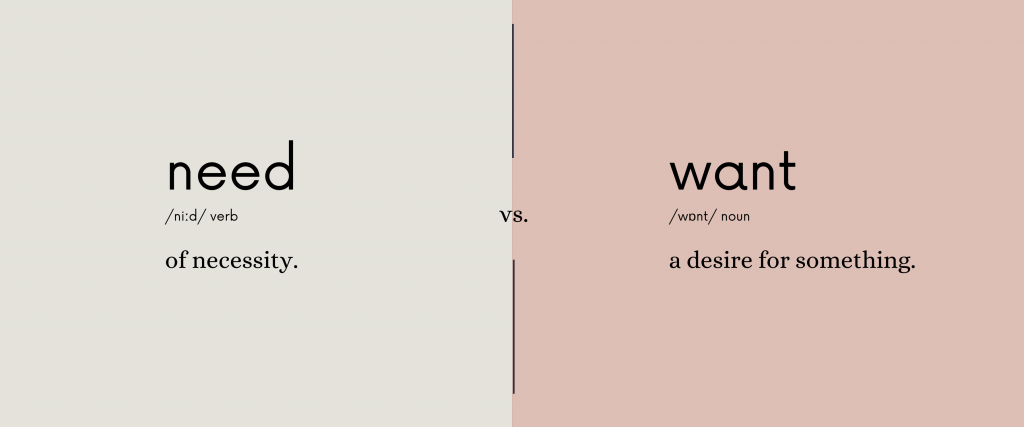
#1: Focus on your needs, not your wants
Before making a purchase, ask yourself whether it’s something you truly need or something you simply want because of the Diderot effect. If it’s a want, consider delaying the purchase or finding a more affordable alternative. This can help you avoid overspending and accumulating unnecessary debt.

#2: Prioritise your spending
Prioritizing your spending is essential to avoiding the Diderot effect and managing your finances effectively. One way to do this is by creating a budget that reflects your needs, goals, and values. This budget will act as a guide to help you allocate your money to the areas that are most important to you, such as housing, transportation, food, and savings.

#3: Focus on experiences, not possessions
Another way to manage the Diderot effect is to focus on experiences rather than material possessions. Experiences like travel, concerts, and hobbies can be just as fulfiling and rewarding as acquiring new possessions. And unlike material possessions, experiences can’t be easily replaced or lost. Plus, experiences can often create lasting memories and improve your quality of life in ways that material possessions can’t.
To incorporate more experiences into your life, consider setting aside a portion of your budget for activities that bring you joy. Plan a trip, sign up for a class, or try a new hobby. These experiences can provide a sense of fulfilment and happiness that can’t be obtained through material possessions alone.

#4: Practice gratitude
Practicing gratitude can also help you manage the Diderot effect. Take time to appreciate what you already have rather than constantly seeking more. Reflect on the things in your life that bring you joy and fulfilment, and express gratitude for them. This can help shift your mindset and lead to more contentment and satisfaction with what you already have.
Incorporating gratitude into your daily routine can be as simple as taking a few minutes each day to reflect on the things you’re grateful for. You can also start a gratitude journal where you write down things, you’re grateful for each day. This practice can help you cultivate a sense of gratitude and contentment, which can help you avoid falling into the trap of constantly wanting more.

In conclusion, the Diderot effect can have a significant impact on your personal finances, but it doesn’t have to control your spending habits. By focusing on your needs, prioritizing experiences over possessions, and practicing gratitude, you can manage the Diderot effect and improve your financial well-being. Remember, financial planning is a lifelong journey, and it’s never too late to start taking control of your finances.