// Preserving Wealth Across Generations
Colorectal Cancer in Singapore
A Statistical Overview
20th July, 2026

Colorectal cancer is a leading cancer in Singapore, affecting thousands each year. According to the Singapore Cancer Registry:
- Among men, colorectal cancer is the most commonly diagnosed cancer.
- Among women, it is the second most commonly diagnosed cancer, after breast cancer.
- It is also one of the leading causes of cancer-related deaths in Singapore for both males and females.
Worrying Trend in Younger Adults
- While colorectal cancer typically affects those over 45, the highest rate of increase in recent years has been in younger adults aged 30–39.
- From 2018 to 2022, this age group — both males and females — experienced the most rapid rise in colorectal cancer incidence.
This is especially concerning because many younger individuals are less likely to undergo screening or consider themselves at risk. It underscores the need for earlier awareness and a shift in mindset that cancer is not just a disease of the elderly.
What Is Colorectal Cancer?
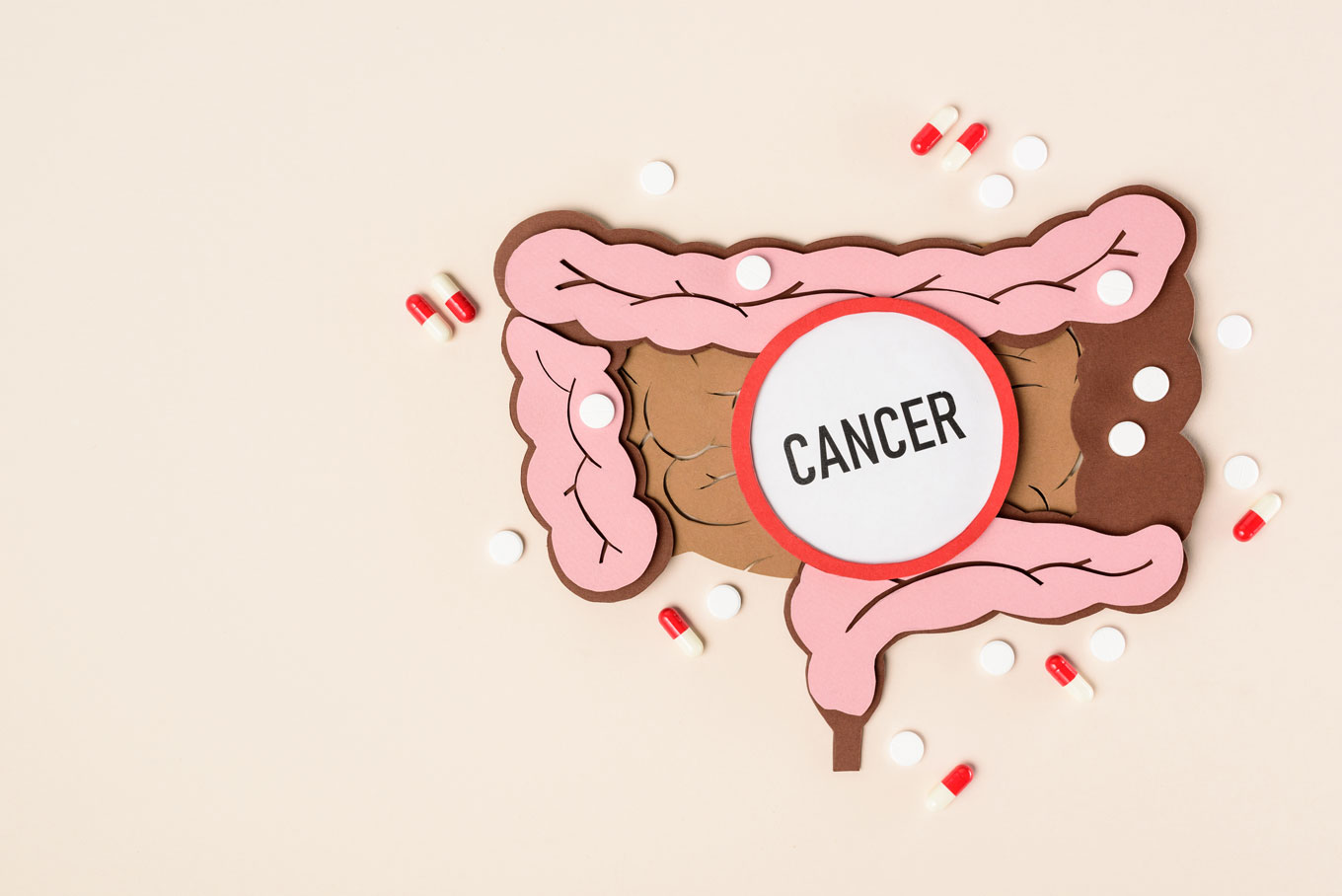
Colorectal cancer typically begins as benign polyps on the inner lining of the colon or rectum. These polyps, over time, may undergo cellular changes and transform into cancer. Because this progression often spans several years, it provides a critical window for early detection — and intervention.
The cancer stages range from early confinement within the colon or rectum (Stage 1 & 2), to lymph node involvement (Stage 3), and eventually spreading to organs like the liver, lungs, or bones (Stage 4).
Silent but Deadly: Symptoms and Risks
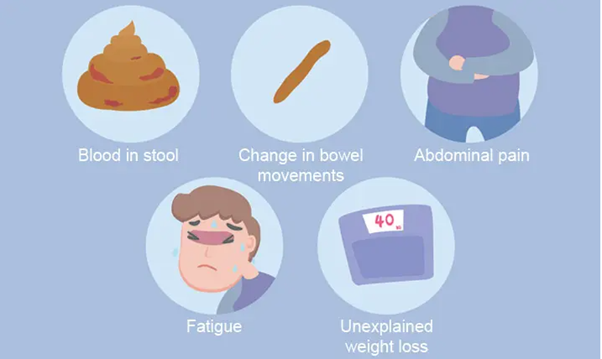
One of the biggest dangers of colorectal cancer is its lack of obvious symptoms in early stages. Often, there is no pain and no visible blood. Some of the warning signs include:
One of the biggest dangers of colorectal cancer is its lack of obvious symptoms in early stages. Often, there is no pain and no visible blood. Some of the warning signs include:
- Fatigue, breathlessness, or paleness (anaemia)
- Unexplained weight loss
- Abdominal discomfort or lumps
- Changes in bowel habits: persistent constipation, diarrhoea, narrow stools, or the sensation of incomplete bowel passage
Risk factors include:
Non-modifiable:
Non-modifiable:
- History or family members with colorectal cancer
- History of family members with colorectal polyps
- History of inflammatory bowel disease
- Genetic cancer syndromes(FAP, HNPCC)
Modifiable:
- Diets high in red/processed meats
- Smoking
- Alcohol intake
- Physical inactivity
- Obesity

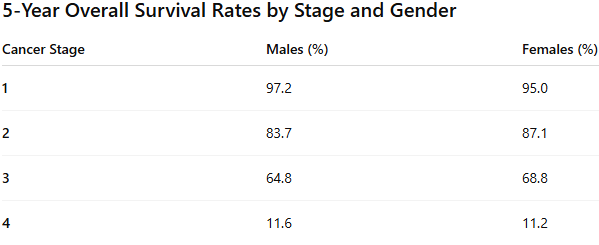
The difference between early and late diagnosis in colorectal cancer isn’t just clinical — it’s life and death.
When detected early at Stage 1, the 5-year survival rate is exceptionally high:
When detected early at Stage 1, the 5-year survival rate is exceptionally high:
- 97.2% for males
- 95.0% for females
These numbers reflect a strong chance of recovery with minimal treatment. In many of these cases, the cancer is still localized and can be treated with surgery alone — sometimes without the need for chemotherapy or radiation.
But as the cancer progresses, outcomes worsen significantly. By Stage 3, where the cancer has spread to the lymph nodes, survival rates drop to:
But as the cancer progresses, outcomes worsen significantly. By Stage 3, where the cancer has spread to the lymph nodes, survival rates drop to:
- 64.8% for males
- 68.8% for females
At Stage 4, where the cancer has metastasized to distant organs like the liver, lungs, or bones, the outlook becomes grim:
- Only 11.6% of men and 11.2% of women survive beyond five years
This steep decline highlights a crucial truth: late-stage colorectal cancer is not only harder to treat, but also often life-threatening. Treatment at this stage is more complex, often involving aggressive chemotherapy, targeted therapy, and possibly major surgery — all with reduced odds of success and increased impact on quality of life.
What makes this even more concerning is that colorectal cancer often progresses silently. Many patients experience no pain, no bleeding, and only vague digestive symptoms — until it’s too late.
What makes this even more concerning is that colorectal cancer often progresses silently. Many patients experience no pain, no bleeding, and only vague digestive symptoms — until it’s too late.
Screening: Your Best Defense
The good news? Colorectal cancer is one of the most preventable cancers — especially when detected early.
Recommended screening methods include:
The good news? Colorectal cancer is one of the most preventable cancers — especially when detected early.
Recommended screening methods include:
- Faecal Immunochemical Test (FIT)
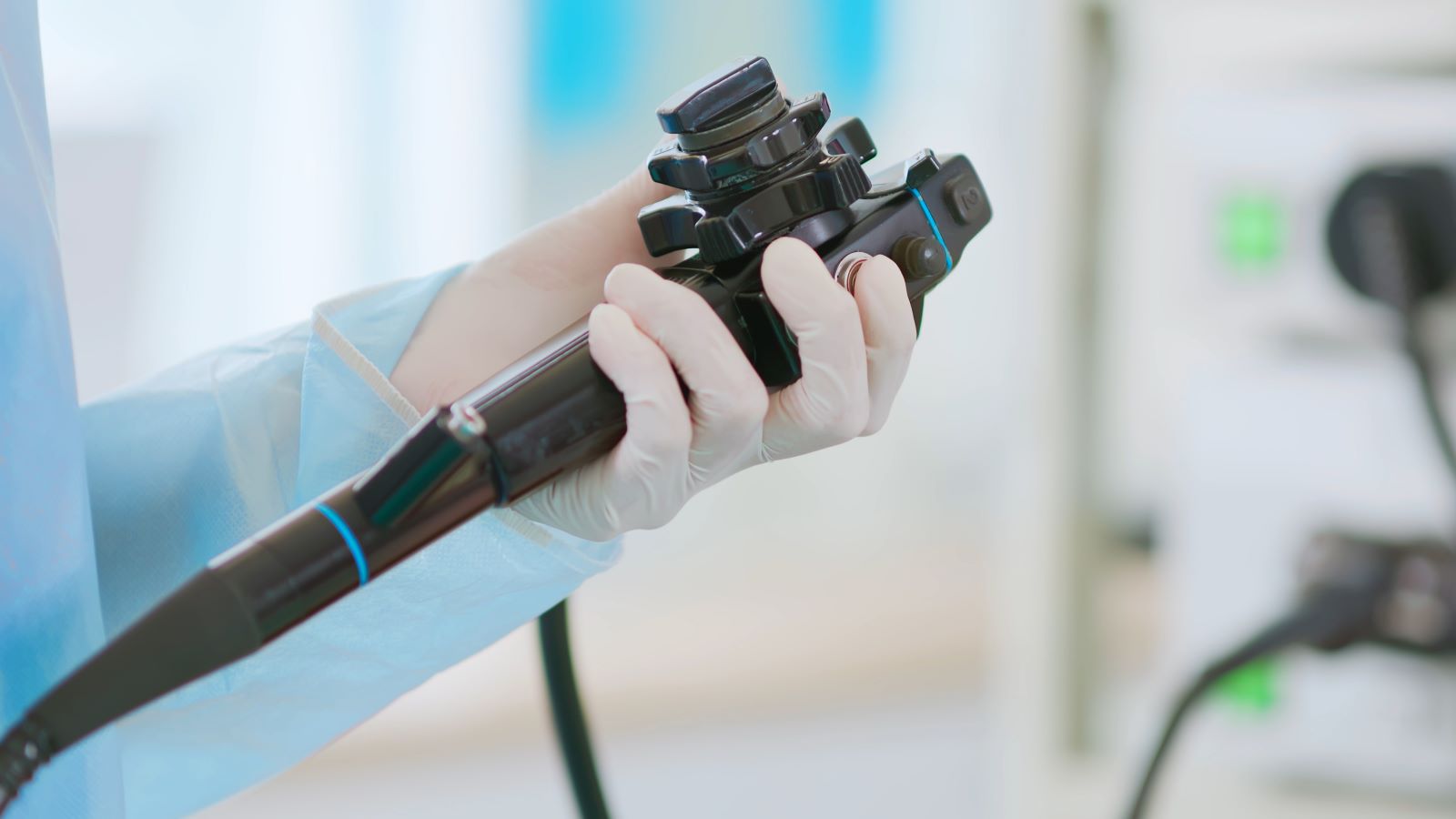
- Colonoscopy
When to start
- At age 45 for average-risk individuals.
- Earlier (10 years before the earliest family case) for those with family history.
- Frequency: Colonoscopy every 5 years, with annual FITs in between depending on risk profile.
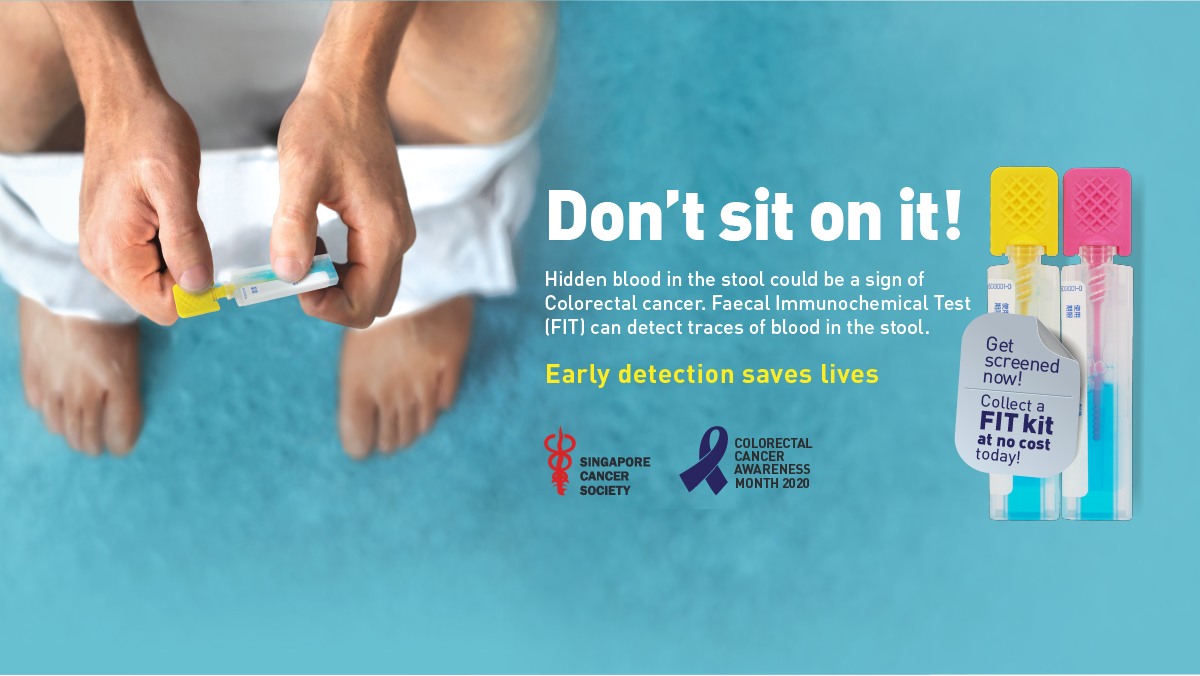
Faecal Immunochemical Test (FIT) Kit
- A free, non-invasive stool test available to Singaporeans and PRs aged 50 and above.
- Detects microscopic blood in stool.
- Recommended for individuals over the age of 45 who do not have any signs or symptoms of colorectal cancer. This is as colorectal cancer displays no symptoms in the early stages and can only be detected by screening.
- Individuals are encouraged to do the FIT once a year.
- Results will be mailed to your home.
- Available at your Healthier SG provider.
How to Use
Here are the recommended steps.
- Collect your stool on clean pieces of toilet paper. Ensure that the stool does not come into contact with urine or water.
- Do not collect a stool sample if you have any bleeding conditions such as haemorrhoids(pus) or menstruation.
- Open the specimen bottle and take out the collection spoon.
- Use the collection spoon to take samples from the insides and surfaces of the stool 6 times.
- Return the collection spoon with the stool sample into the specimen bottle and screw the cap tightly.
- Wrap the kit in bubble wrap before placing it into the biohazard bag provided. Return the specimen within the day of the test.
|
|