// Preserving Wealth Across Generations
A Simple Guide to Mortgage Loan
The only guide you will need
20th July, 2026
Factors and considerations when taking up a home or mortgage loan
Loan amount: The local banks usually give a loan of up to 75% of the property value if you do not have any other ongoing mortgage loan. The actual amount granted depends on their assessment of your ability to repay the loan. This is determined by debt servicing ratios based on Singapore’s regulations such as Total Debt Servicing Ratio (TDSR) and Mortgage Servicing Ratio (MSR). Take note that MSR applies only to housing loan for purchase of HDB flat or an executive condominium (EC) where minimum occupation period of the EC has not expired.
Loan tenure and age: The loan tenure is the duration of time that you take to repay the loan. Loan terms usually range from 10 to 35 years. The longer your loan tenure, the smaller the monthly repayment you need to make, but the higher the total amount of interest you will eventually pay. Take note that your age may be a limiting factor – banks will typically cap the maximum term up to the age of 65. If you are 50 years old, you may only be given a loan term of up to 15 years.
Annual income, income potential and risk and credit score: Your financial position, credit history, credit score, other financial obligations such as car loan will also affect your loan eligibility.
Special features, promotions, and discounts: Some banks offer mortgage loans with an interest offset feature, where deposits at the bank can be used to offset the interest payable. For borrowers with large amounts of cash that they want to keep available for other uses at a moment’s notice (e.g. investing in the stock market), this could be a good option.
Subsidies, lock in period and penalties: Most home loans come with some subsidies including the legal and valuation fees and fire insurance. When comparing housing loans, you should check what the various fee subsidy amounts are. The lock-in period you should choose depends on when you expect to sell the property and also on your view of where interest rates are going. Typically, the shorter the lock-in period, the higher the interest rate. But if you repay the mortgage within the lock-in period, you typically have to pay a penalty of anywhere from 0.75% to 1.5% on the amount redeemed. The penalty amount can be substantial. Some loan packages waive the penalty for selling your house within the lock in period (as opposed to just repaying the housing loan), so make sure you take note of this if there is an intention to sell your property in the near future.

Fixed or floating rates; which should I choose?
When it comes to taking out a mortgage loan in Singapore, one of the key decisions that borrowers must make is whether to opt for a fixed rate or floating rate loan. This decision can have a significant impact on the total cost of borrowing, as well as on the stability and predictability of monthly repayments. In the current high interest rate environment in Singapore, it is especially important to carefully consider the pros and cons of each option before making a decision.
Fixed rate mortgage loans offer a set interest rate for a predetermined period of time, typically ranging from 1 to 3 years. This means that the monthly repayments remain constant, regardless of changes in market interest rates. This can provide peace of mind and stability for borrowers, as they know exactly how much they will be repaying each month.
Floating rate mortgage loans, on the other hand, have interest rates that fluctuate in line with market conditions. This means that the monthly repayments can increase or decrease as interest rates change, which can make it more difficult to predict the total cost of borrowing. However, floating rate loans tend to offer lower interest rates compared to fixed rate loans, which can make them a more cost-effective option for borrowers.
In the current high interest rate environment in Singapore, it can be tempting to opt for a fixed rate mortgage loan in order to secure a low monthly repayment and avoid the risk of future rate increases. However, it is important to keep in mind that fixed rate loans typically have higher interest rates compared to floating rate loans. This means that over the long term, borrowers may end up paying more in interest with a fixed rate loan, even if the monthly repayments remain stable.
Another factor to weigh is your risk appetite. For example, if you have a stable income and are comfortable with the idea of potentially higher monthly repayments in the future, a floating rate loan may be the more cost-effective option. On the other hand, if you are risk-averse and prefer the predictability of fixed repayments, a fixed rate loan may be the better choice.

In light of the high interest environment, should I refinance my home or mortgage loan?
As the loan term progresses, you may find yourself in a position to consider paying it off early. Here are some things to consider when deciding whether to redeem your mortgage loan:
Financial situation: Before making any decisions about your mortgage loan, take a close look at your overall financial situation. Consider factors such as your income, expenses, debt, and savings. This will give you a better understanding of whether you have the financial resources to redeem your mortgage loan.
Prepayment penalties: Some mortgage loans come with prepayment penalties, which means that you may have to pay a fee if you redeem the loan early. Consider whether there are any prepayment penalties associated with your mortgage loan and whether these penalties make it less attractive to redeem the loan early.
Investment opportunities: Before redeeming your mortgage loan, consider whether you have other investment opportunities that may be more attractive. For example, if you have the option to invest in stocks or bonds that are expected to generate a higher return than the interest rate on your mortgage loan, it may make sense to keep the loan and invest your money elsewhere.
Comfort level: Finally, consider your own comfort level with debt. If you are comfortable carrying debt, you may choose to keep your mortgage loan and continue making payments as planned. On the other hand, if you would prefer to be debt-free as soon as possible, you may choose to redeem your mortgage loan early.
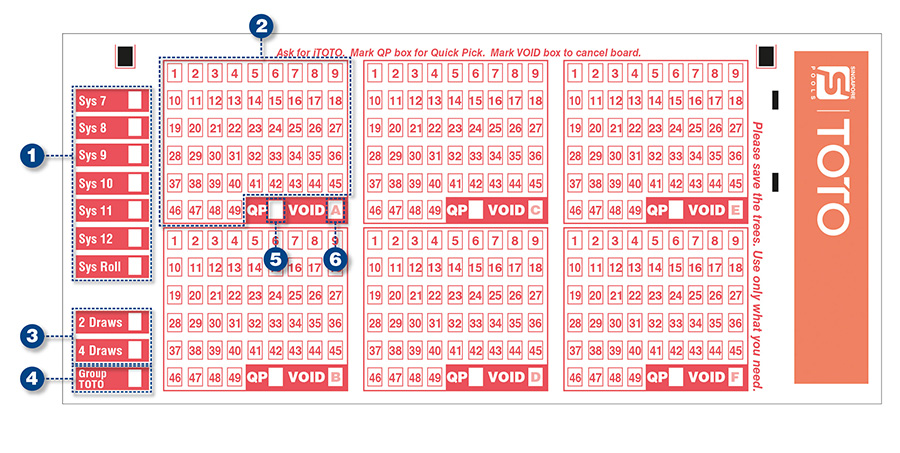
If I received a windfall (Toto winner maybe?), is it better for me to invest this money or use it to partially pay off my home loan?
In addition to the above pointers, another financial aspect to consider is your level of financial discipline. If you are able to stick a financial regime, you are more likely to retain your wealth and deploy your windfall into good quality assets that has a higher probability to yield a good return over time. On the other hand, if you have a tendency to splurge on indulgence or spend freely without giving a second thought, it will be more prudent to use the windfall to partially pay off your loan.