// Preserving Wealth Across Generations
Beyond Stocks and Bonds
Rethinking Diversification
17th July, 2026
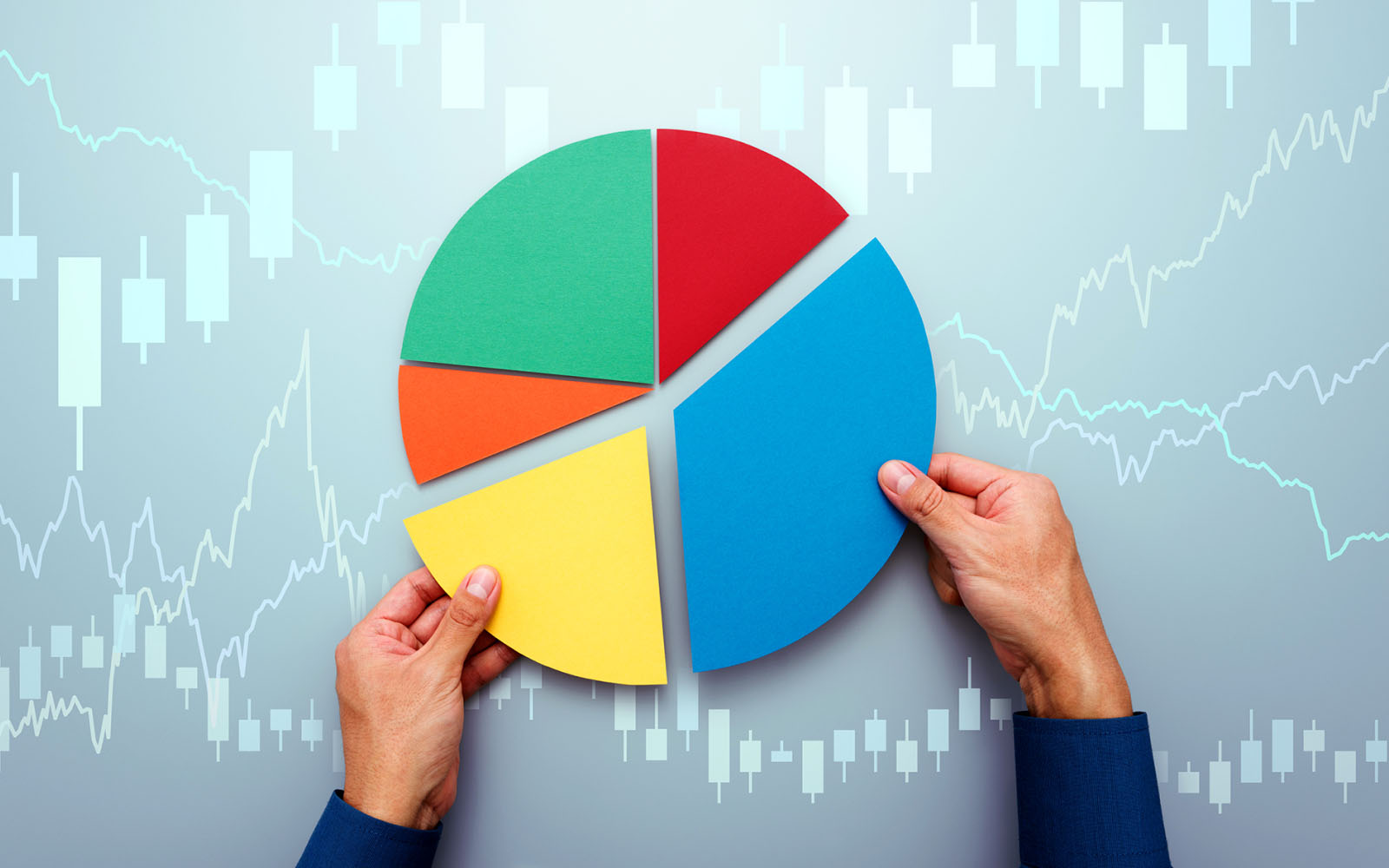
When Diversification Doesn’t Feel So Diversified Anymore
If investing feels a little less predictable than it used to, you’re not imagining it. For years, many portfolios followed a familiar rhythm; stocks for growth, bonds for stability, and cash for safety.
It was a framework that made sense — and for a long time, it worked the way it was expected to. However, over the last few years, something changed. Values of stocks and bonds fell at the same time. Cash suddenly paid “good” returns. Inflation became more than just a headline — it became something investors had to actively plan around. Naturally, many people began asking a quiet but important question; is diversification still doing what it’s supposed to do?

A World That Behaves Differently
The investment environment today doesn’t look quite like the one many of us got used to. In just the past two years:
Interest rates rose to levels we hadn’t seen in over a decade
Equity market returns became increasingly driven by a small group of very large companies
Cash, T-bills, and fixed deposits delivered returns that felt unusually attractive
Now, as inflation begins to cool, those high cash yields are already tapering off — and markets are adjusting yet again. This doesn’t mean something is “wrong.” It means the environment has change and when the environment changes, portfolios often need to adapt too.

|

Why Investors Are Paying Attention Now
Historically, portfolios that included a measured allocation to real assets or commodities tended to:
experience less extreme swings during volatile periods, and
rely less on a single economic outcome to succeed
These assets won’t outperform every year — and that’s not their job.
However, even a modest allocation can change how a portfolio behaves when it matters most. That’s why institutional investors — pension funds, endowments, and sovereign wealth funds — have long viewed alternatives as a portfolio stabiliser, not a speculative bet.

A Different Way to Think About Your Portfolio
Including alternatives doesn’t mean adding complexity for the sake of it.
For many investors, it starts with one simple reframing; which part of my portfolio is meant to grow — and which part is meant to protect me when markets don’t behave as expected?
Once each part of the portfolio has a clear role, diversification becomes more intentional. You’re no longer just spreading money across asset classes — you’re spreading it across different economic drivers. That’s often what makes a portfolio feel more resilient over time.

What You Can Consider Next
If this environment feels different, a good move isn’t to react quickly — it’s to review thoughtfully.
You might consider:
whether your portfolio depends too heavily on one or two return drivers
which of your assets are most sensitive to inflation, interest rates, or market stress
how professional investors approach diversification beyond just stocks and bonds
In the coming weeks, we’ll be sharing how institutional managers think about real assets and alternatives, and how those ideas can translate into long-term portfolios for individual investors.
Because in a changing world, diversification isn’t about doing more — it’s about doing what works.